1.What Is the Difference Between a Quick Dump Rinser and an Overflow Rinse Tank?
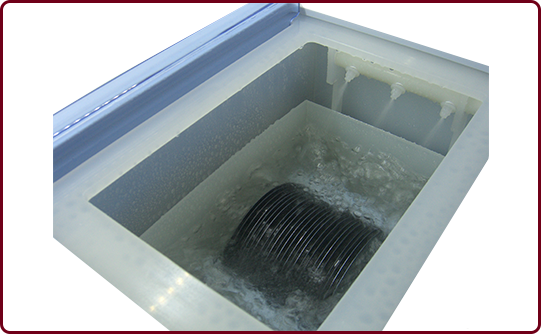
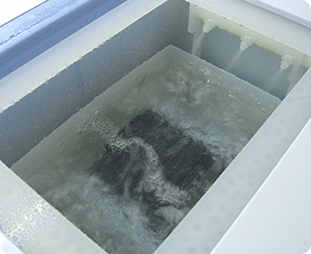
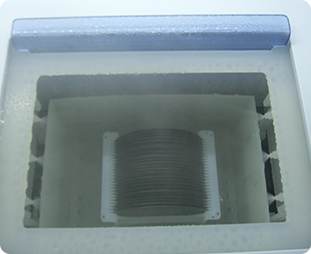
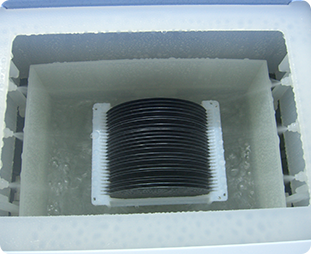
An overflow rinse tank rinses continuously, with fresh DI water entering the bottom and displacing dirtier water out the top rim for the full cycle. A quick dump rinser instead fills, holds, and rapidly drains the tank in repeated cycles. Because the water is fully replaced each cycle rather than gradually diluted, quick dump rinsing generally uses less DI water and clears residual chemistry faster than overflow rinsing alone, which is why it’s the more common choice after aggressive etch and clean steps.
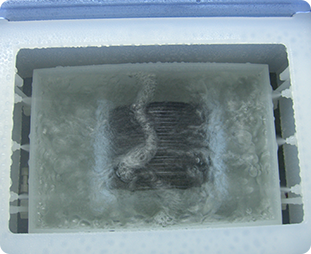
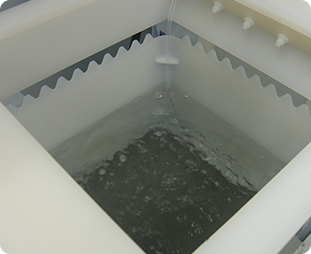
Bottom N₂ agitation introduces a stream of nitrogen bubbles into the tank as it fills. As the bubbles rise past the wafers, they disturb the thin layer of water against the wafer surface, helping mix fresh DI water with the chemistry that needs to be rinsed away instead of letting it sit stagnant. It’s a mechanical mixing aid, not a chemical one, and part of why cycle counts can run lower than a rinse relying on flow alone.
Cycle counts depend on the chemistry being rinsed off and the process step it follows. Rinses after less aggressive baths may need only one or two dump cycles, while rinses following concentrated acids or bases used in etch and strip steps typically run more cycles to fully clear residue from blind holes, cassette pockets, and other hard-to-reach surfaces. Facilities generally set cycle counts per process recipe rather than using one fixed number across every application.
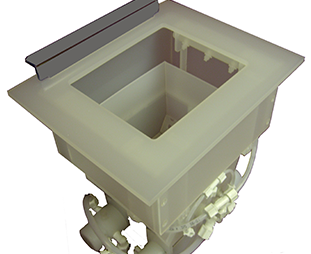
Natural polypropylene, the standard DR Series construction material, holds up well against most process chemistry but isn’t the right choice for every application. PVDF, offered as a process tank option, extends the usable temperature range and resists a broader set of aggressive chemicals. Teflon spray nozzles, manifolds, and valves, also available as options, are typically specified when the rinse follows an HF step or another highly corrosive chemistry, since Teflon resists attack from acids that degrade standard polypropylene fittings over time.
5. Can a Quick Dump Rinser Be Configured for Non-Standard Cassette Sizes?
Yes. The standard DR Series model matrix covers common cassette counts and sizes, but tank dimensions can be custom-built around a specific cassette footprint, wafer size, or facility layout rather than requiring a facility to standardize on one of the listed models. This matters most for research labs and prototyping lines running mixed wafer sizes, where a single fixed tank size would force a compromise on either fit or water usage.