1.What Is the Difference Between the SFa and Sa Solvent Bath Series?
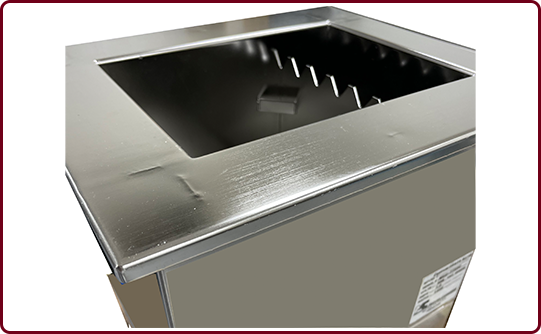
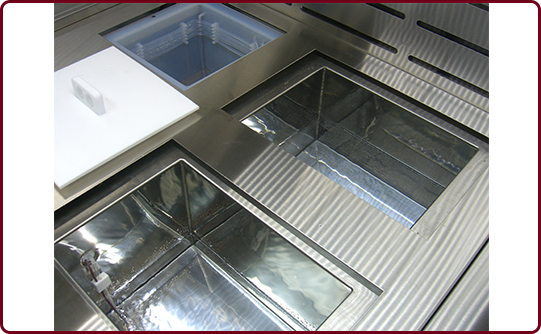
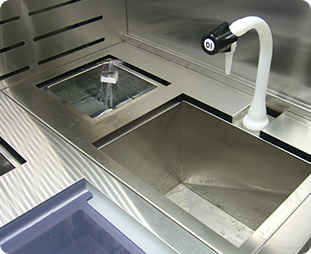
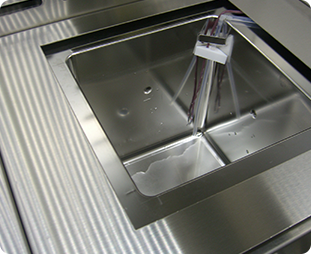
The SFa Series is Modutek’s temperature-controlled recirculating bath, while the Sa Series is described as a constant-temperature bath. Both are stainless steel and built for solvent applications, but the recirculating design in the SFa Series is the primary distinction between the two, and the right choice typically comes down to the specific process and facility requirements for a given application.
Solvents such as IPA, acetone, and resist strippers are flammable, so any tank, heater, or electrical component that could act as an ignition source has to be designed and certified to prevent that risk. This is why solvent baths are built to explosion-proof electrical classifications rather than the standard construction used for baths holding non-flammable aqueous chemistries.
Class 1 Division ratings describe how much flammable vapor a piece of equipment is expected to be exposed to and how it has to be built to prevent ignition. Division 1 locations are where flammable vapor is expected under normal operating conditions, while Division 2 locations are where it’s present only under abnormal conditions, such as a leak or equipment failure. The rating determines the required level of electrical and enclosure design.
4.Why Does Heater Design Differ Between the SFa and Sa Series?
The SFa Series uses a brick heater design, which Modutek notes allows for in-house repairs rather than requiring a full heater replacement. The Sa Series uses a bonded circuit heating element instead. Heater design affects how a facility maintains the unit over its service life, not just how it heats, so it’s worth factoring into which series fits a given maintenance approach.
Modutek’s specification sheet lists IPA, acetone, and resist strippers as the applications for its solvent baths, but each unit is configured to the customer’s process, so a facility using a different solvent should confirm compatibility with Modutek before specifying a bath rather than assuming coverage based on the listed examples.