
- Home
- About Us
- Products
- Applications
- Support
- Blog
Wafer Strip Process
A wafer strip removes photoresist from a wafer after the resist has served as a mask for etching or ion implantation. The wet methods covered here are solvent-based strip, sulfuric acid and hydrogen peroxide (SPM) strip, and ozone-based strip, and each needs equipment matched to its chemistry and temperature.
Ozone Resist Strip
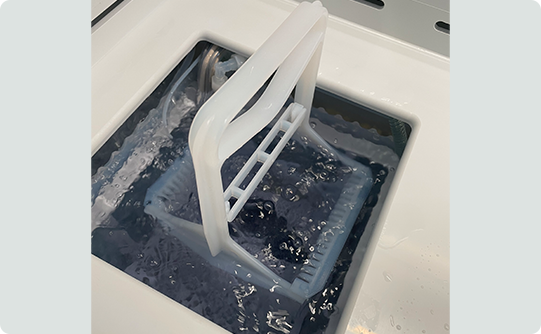
Modutek provides an advanced ozone-cleaning process for photoresist strip that can reduce the use of harsh, expensive chemicals. The ozone cleaning process strips photoresist and cleans silicon wafers with ozone dissolved in DI water, reducing chemical use and potentially replacing part of an SPM process step.
Solvent-Based Resist Strip
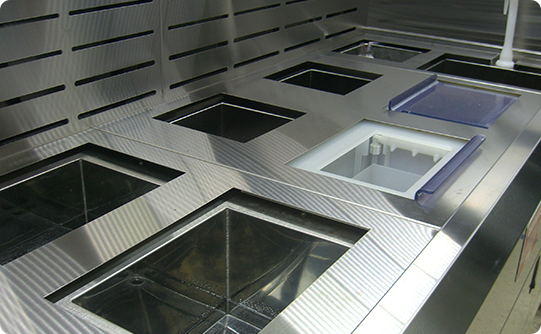
Modutek supports solvent-based resist strip processes using the SFa series temperature-controlled stainless steel recirculating baths. The baths can handle solvents that include IPA, acetone, and resist strip solutions and meet all Class 1 Div 2 Group D requirements. The process vessel uses 316L electropolished stainless steel designed for long life and operates up to 100 degrees Celsius. The baths are designed to handle all solvent applications and are available in a range of sizes, including custom sizes.
SPM Photoresist Strip
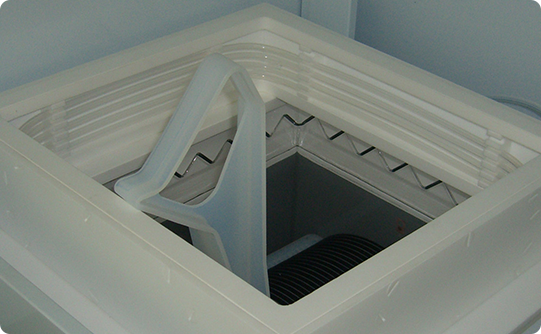
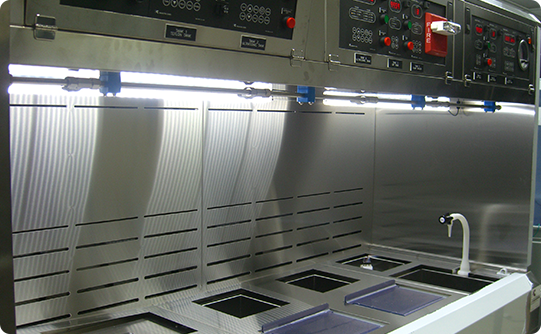
Modutek’s QFa high-temperature recirculation quartz tanks support photoresist strip using a sulfuric acid/hydrogen peroxide mixture (SPM) process. They provide fast, even heating with a seamless, sloped-flange design. The operating temperature range is 30 to 180 degrees Celsius, with a heat-up rate of approximately 2 degrees per minute. The process temperature can be controlled with an accuracy of up to +/- 1 degree Celsius. The quartz bath vessel is made of semiconductor-grade, flame-fused quartz, and Modutek offers a wide range of standard and custom sizes.
Wafer Strip Process Solutions
Processing engineers who need wafer strip process applications can be confident that Modutek can supply the appropriate equipment to meet their requirements. With over 40 years of industry experience and expertise, Modutek provides an extensive product line of high-quality, reliable wet processing equipment components. Contact Modutek for a free consultation to discuss standard equipment for typical wafer strip processes and customized solutions for nonstandard applications.
FAQs about Wafer Strip Process
What Ratio and Temperature Does an SPM Wafer Strip Bath Use?
Why Does an SPM Strip Bath Lose Strength Over Time?
Why Is Ion-Implanted Photoresist Harder to Strip?
Can Solvent-Based Resist Strippers Be Heated, and Which Solvents Are Used?
How Does Ozone Photoresist Strip Compare With SPM?
Request a Quote for Equipment to Support Your Wafer Strip Process
Modutek builds solvent, SPM, and ozone strip equipment in San Jose to match your wafer strip process. Share your resist type, chemistry, bath temperature, wafer size, and throughput, and Modutek’s team will recommend the right bath and wet bench configuration. Request a quote for your process.